

In various piping systems, the connection method directly determines the system’s sealing performance, stability, and construction efficiency. Spigot pipe fitting is a very basic yet extremely important structural form in pipe connection systems, widely used in PVC, HDPE, cast iron, ductile iron, and concrete drainage pipe systems.
Many people are unfamiliar with the term “spigot,” but it is actually what we commonly call a spigot end. This article will comprehensively analyze Spigot pipe fittings from aspects such as structural principles, types, materials, application scenarios, and installation points.
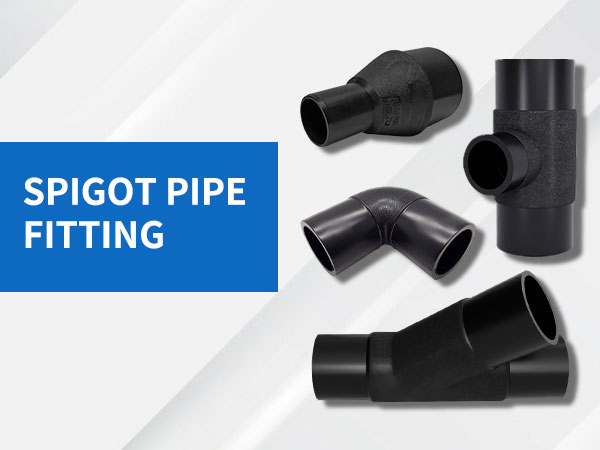
What is Spigot Pipe Fitting?
A spigot refers to a pipe or fitting where one end is a smooth, straight outer diameter end, which can be directly inserted into another pipe or fitting with a socket (socket/bell) to form a connection.
Therefore, spigot pipe fitting is a type of pipe fitting or pipe end with a spigot end structure, commonly found in:
Elbows
Tees
Reducers
Couplings
Valve connections. Simply put: a spigot is “the end that goes in.”
The relationship between Spigot and Socket
Spigot structures must be used in conjunction with sockets.
| Structure | Function | Simple Analogy |
| Spigot (Plain End) | Inserting end | Male end |
| Socket / Bell | Receiving end | Female end |
During connection, Spigot is inserted into the Socket and a secure connection is achieved through different sealing methods.
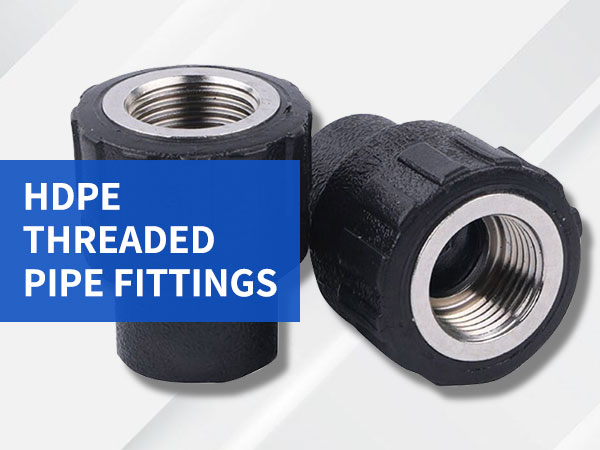
Common Sealing and Connection Methods
1. Solvent Cement Joint
Mostly used in PVC systems:
Apply adhesive to the outer wall of the spike and the inner wall of the socket.
After insertion, molecular fusion occurs.
Strong seal, non-removable.
Commonly used in water supply and drainage systems.
2. Rubber Ring Joint
Commonly used in HDPE corrugated pipes and ductile iron pipes:
The socket has a sealing rubber ring inside.
When the spike is inserted, the rubber ring is compressed to form a seal.
Allows slight displacement, strong resistance to settlement.
3. Butt Fusion / Socket Fusion
Suitable for HDPE systems:
Heating the spike end and the socket end.
After cooling, a monolithic structure is formed.
Strength is close to that of the base material.
Common Material Types
PVC Spigot Fittings: Lightweight, low cost, strong corrosion resistance, commonly used in building water supply and drainage and municipal drainage.
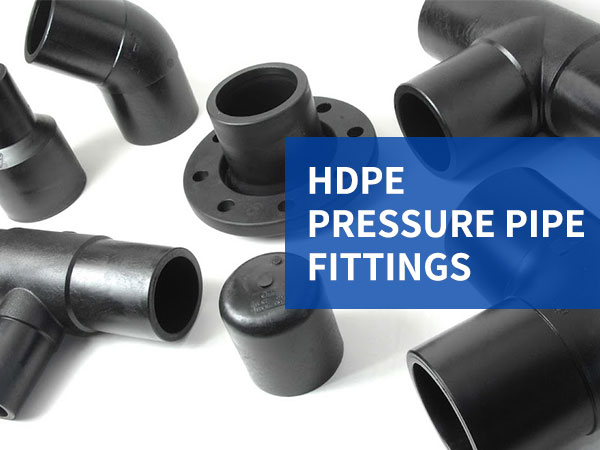
HDPE Spigot Fittings: Flexible and impact-resistant, adaptable to foundation settlement, suitable for pressure pipelines and underground systems.
Ductile Cast Iron Spigot Ends: High strength, strong pressure resistance, mostly used in water supply and fire protection systems.
Advantages of the Spigot Structure:
Quick Installation: No complex machinery is required, especially for the rubber ring socket structure, resulting in high construction efficiency.
Reliable Sealing: Excellent watertightness and airtightness can be achieved when combined with adhesive or rubber rings.
Strong Displacement Adaptability: Compared to rigid flange connections, the Spigot socket structure allows for a certain degree of angular deflection, making it suitable for underground pipe networks.
Lower Cost: Less bolts and flanges are required, resulting in lower material and construction costs.
Easy Maintenance: Some rubber ring connections are removable for maintenance.
Main Application Areas
Building Water Supply and Drainage Systems
PVC Spigot fittings are widely used in indoor and outdoor drainage, rainwater systems, and ventilation ducts.
Municipal Water Supply Networks
Ductile iron or HDPE socket connections are widely used in water supply systems, offering reliable sealing and resistance to ground settlement.
Road and Municipal Drainage
Large-diameter corrugated pipes often employ a socket rubber ring structure for easy and rapid installation.
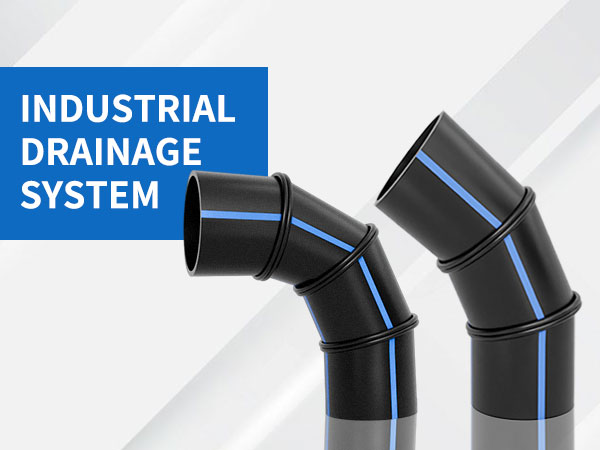
Industrial Piping Systems
HDPE Spigot fittings are used in chemical, mining, and wastewater treatment pipelines.
Comparison of Spigot with Other Connection Methods
| Comparison Item | Spigot & Socket Connection | Flange Connection | Threaded Connection |
| Sealing Method | Solvent cement / rubber ring / heat fusion | Gasket + bolts | Thread seal tape |
| Removable | Partially | Yes | Yes |
| Displacement Resistance | Good | Poor | Moderate |
| Installation Efficiency | High | Lower | Medium |
| Suitable Pipe Sizes | Suitable for small to large diameters | Mainly used for large diameters | Mainly for small diameters |
Construction and Installation Precautions
To ensure long-term stability of Spigot connections, please note the following:
Clean the inner walls of the spigot and socket before insertion.
Lubricate the rubber ring evenly during connection.
Strictly control the insertion depth (insertion marks are available).
Allow adhesive connections to fully cure.
Avoid direct impact from hard objects on the joint during backfilling.
Proper construction can significantly extend the service life of the piping system.
Development Trends
With the upgrading of underground infrastructure construction, Spigot pipe fittings are developing in the following directions:
Higher sealing rating design
Seismic-resistant flexible socket structure
New materials suitable for high-pressure systems
Increased factory prefabrication and standardization
Although simple in structure, Spigot pipe fitting is an indispensable key connection form in modern piping engineering. With its advantages of convenient installation, reliable sealing, and economical cost, it has become one of the mainstream connection solutions for water supply and drainage, municipal, and industrial pipe networks.
From residential drainage to large-scale municipal projects, Spigot socket structures silently ensure the long-term safe operation of pipe network systems, truly making them the “foundation of foundations.”


