

Flanges are a common and essential connecting component in industrial piping systems, used to connect pipes, valves, pumps, and other equipment. Depending on their structure and connection method, flanges can be classified into various types. Among them, socket weld flanges are widely used in high-pressure, small-diameter piping systems due to their excellent sealing performance and high connection strength. This article will detail what a socket weld flange is, its structural characteristics, working principle, application areas, advantages, and installation precautions.
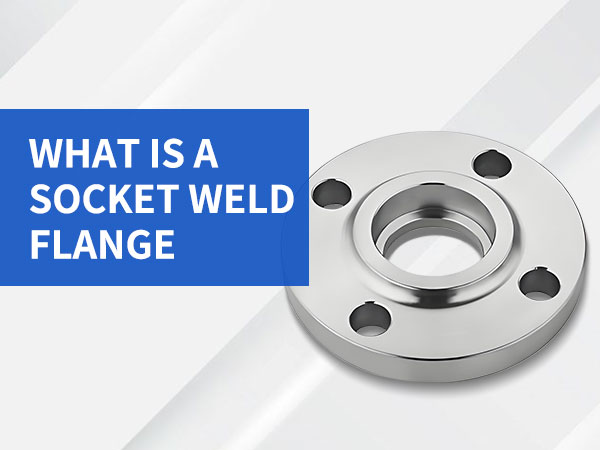
What is a socket weld flange?
A socket weld flange is a flange that connects to a pipeline through a socket fit and welding. Its characteristic is that it has a groove (socket) inside the flange. After the pipe is inserted into the socket, it is fixed by fillet welding at the contact point between the outside of the pipe and the inside of the flange, thus achieving a strong connection.
This connection method combines the advantages of socket positioning with the increased connection strength through welding, making it suitable for high-pressure systems and systems with high sealing requirements.
Socket weld flanges are typically suitable for:
Small-diameter pipes (generally DN80/3 inches and below)
High-pressure systems
Flammable, explosive, or hazardous media transportation systems
Structural Features
The structural design of a socket welding flange is relatively simple, yet its function is highly reliable. It mainly includes the following parts:
1. Flange Body
The flange body is a disc-shaped structure with a central hole containing a socket for inserting a pipe.
2. Socket
The socket is a key structural element of the socket welding flange. Its inner diameter is slightly larger than the outer diameter of the pipe, allowing for smooth pipe insertion.
A gap of approximately 1.5mm is usually left at the bottom of the socket to:
Prevent stress caused by welding thermal expansion
Reduce welding deformation
3. Welding Area
Welding is typically performed on the back of the flange using fillet welding to form a strong mechanical bond.
4. Bolt Holes
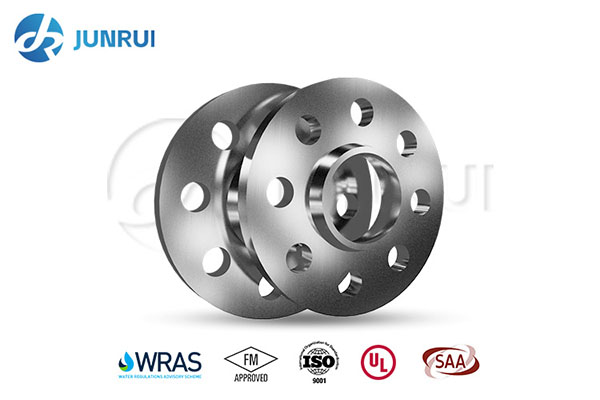
The outer circumference of the flange has evenly distributed bolt holes for connecting to another flange and achieving a seal using a gasket.
Working Principle
The working principle of socket weld flanges mainly relies on three steps: socket positioning, welding fixation, and bolt sealing:
The pipe is inserted into the flange socket.
A fillet weld is performed at the interface.
The flange is connected to the butt flange using bolts and a gasket.
The gasket is compressed to form a seal, preventing media leakage.
The welded connection provides structural strength, while the flange connection provides disassembly capability.
Application Areas
Due to its excellent performance, socket weld flanges are widely used in various industrial fields:
1. Oil and Gas Industry
Used for high-pressure oil and gas pipeline systems, ensuring safety and reliability.
2. Chemical Industry
Used for pipelines transporting corrosive or hazardous liquids.
3. Power Industry
Such as boiler piping and high-pressure steam piping systems.
4. Shipbuilding Industry
Used for marine fuel and hydraulic systems.
5. Pharmaceutical and Food Industry
Used for high-cleanliness, small-diameter piping systems.
Advantages of Socket Weld Flange:
1. High-strength Connection: Welded connections offer excellent mechanical strength, suitable for high-pressure systems.
2. Excellent Sealing Performance: The welded structure reduces the risk of leakage, suitable for hazardous media.
3. High Installation Precision: The socket structure helps with pipe positioning, ensuring accurate installation.
4. Clean Appearance: Compared to threaded connections, it has a smoother and more professional appearance.
5. Suitable for High-Pressure Environments: Commonly used in high-pressure piping systems.
Differences between Socket Weld Flange and Slip-On Flange
| Comparison Item | Socket Weld Flange | Slip On Flange |
| Welding Method | Single fillet weld | Internal and external double weld |
| Strength | High | Lower |
| Sealing Performance | Good | Moderate |
| Cost | Higher | Lower |
| Installation Difficulty | Medium | Easier |
| Applicable Pressure | High pressure | Medium and low pressure |
| Applicable Pipe Size | Small diameter | Medium and large diameter |
Manufacturing Materials
Socket weld flanges can be manufactured from a variety of materials:
Common materials include:
Carbon steel:
ASTM A105
ASTM A350
Stainless steel:
ASTM A182 F304
ASTM A182 F316
Alloy steel:
ASTM A182 F11
ASTM A182 F22
PVC and UPVC: Used in plastic piping systems
Different materials are suitable for different pressure and corrosive environments.
Standards and Specifications
Socket weld flanges typically conform to the following international standards:
ASME standard:
ASME B16.5
DIN standard:
DIN 2565
ISO standard:
ISO 7005
These standards specify the flange’s:
Dimensions
Pressure rating
Material requirements
Installation Steps
Correct installation is crucial:
Step 1: Check Flange and Pipe
Ensure dimensions match.
Step 2: Insert Pipe
Insert the pipe into the socket, leaving approximately 1.5mm gap.
Step 3: Weld
Use fillet welds to secure the pipe.
Step 4: Install Gasket
Place the sealing gasket.
Step 5: Bolt Connection
Tighten the bolts evenly.
Precautions
During installation, pay attention to:
Avoid fully inserting the pipe to the bottom.
Prevent thermal expansion from damaging the weld.
Ensure weld quality.
Use qualified welding materials.
Perform a pressure test.
Ensure no leaks.
Advantages and Disadvantages Summary
Advantages:
High strength
Good sealing performance
Suitable for high pressure
Accurate installation and positioning
Disadvantages:
Relatively high cost
Not suitable for large diameters
High welding requirements
Socket weld flanges are a reliable high-pressure pipeline connection method, particularly suitable for industrial systems with small diameters, high pressure, and high sealing requirements. Their socket structure and welded connection provide excellent strength and sealing performance, making them widely used in industries such as petroleum, chemical, and power.
With the development of industrial technology, socket weld flanges will remain one of the important pipeline connection components, providing safe, stable, and efficient operation guarantees for pipeline systems.


