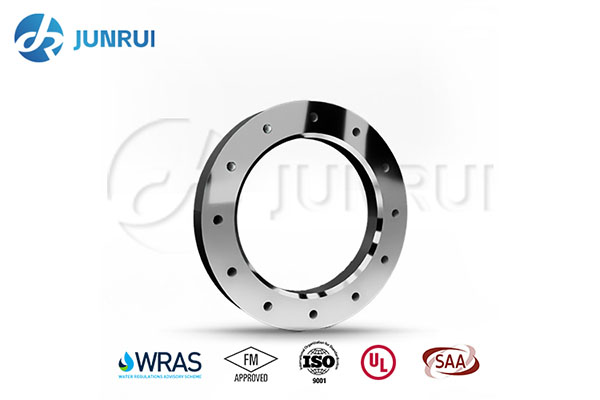
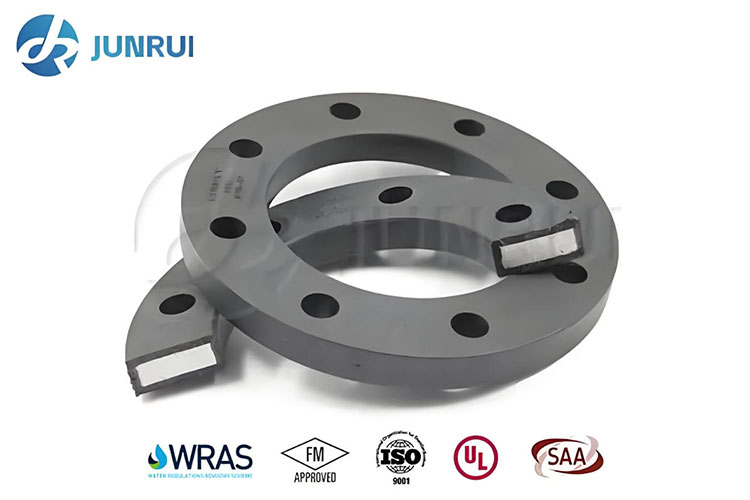
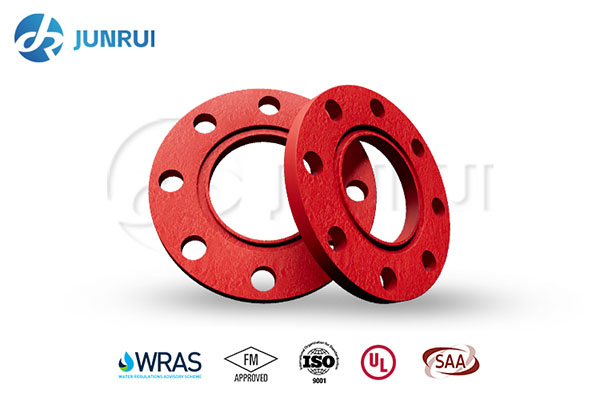
In modern industrial piping systems, PP flanges, as key connecting components, are becoming the preferred solution across multiple industries due to their superior performance and wide applicability. This article provides a comprehensive introduction to this important industrial component, covering product features, technical specifications, applications, installation and maintenance, and market prospects.
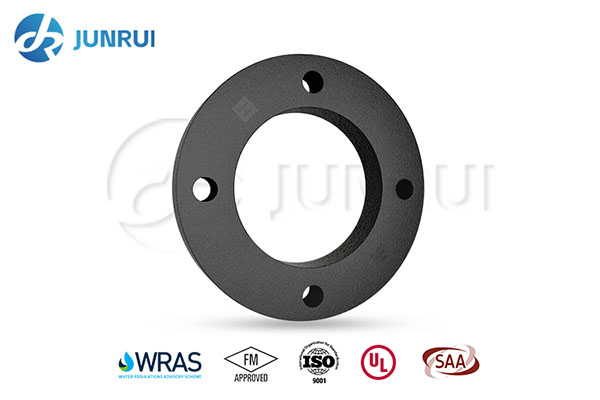
Product Overview and Basic Features
PP flanges are pipe connectors made primarily of polypropylene (PP) through injection molding or machining. Their unique material properties offer the following advantages:
Excellent Corrosion Resistance: PP flanges exhibit excellent resistance to most chemicals, including acids, alkalis, and salts. They are virtually insoluble in all organic solvents at room temperature, making them particularly suitable for applications in the chemical, electroplating, and environmental protection industries.
Lightweight and High-Strength: The density of polypropylene is only 0.90-0.91 g/cm³, approximately one-eighth that of metal. However, through appropriate structural design and reinforcement modification, their strength and rigidity fully meet the requirements of industrial applications. Long Service Life: PP material has excellent aging resistance. Under normal operating conditions, PP flanges can last over 50 years, far exceeding traditional metal flanges.
Easy Installation and Maintenance: Compared to metal flanges, PP flanges are lightweight and require no special lifting equipment for installation, significantly reducing installation difficulty and labor intensity.
PP Flange Technical Parameters and Performance Indicators
Pressure Ratings: Typically withstands three pressure levels: 0.6 MPa, 1.0 MPa, and 1.6 MPa, with special designs reaching up to 2.5 MPa.
Temperature Range: Applicable temperature range is -20°C to +95°C, with a short-term maximum operating temperature of 110°C.
Dimensions: Diameters range from DN50 to DN400, with larger sizes available upon request.
Connection Types: Available in a variety of sealing surface styles, including flat, raised, and ring connections, to meet diverse operating requirements.
Table: Performance Comparison of PP Flanges and Metal Flanges
| Performance Index | PP Flange | Stainless Steel Flange | Carbon Steel Flange |
| Density (g/cm³) | 0.90–0.91 | 7.93 | 7.85 |
| Corrosion Resistance | Excellent | Good | Poor |
| Service Life (years) | 50+ | 20–30 | 10–15 |
| Installation Difficulty | Low | Medium | High |
| Maintenance Cost | Low | Medium | High |

Application Areas and Typical Case Studies
Chemical Industry: PP flanges demonstrate excellent corrosion resistance in systems transporting corrosive media such as acids, alkalis, and salts. After adopting a PP piping system, a large chemical company reduced equipment maintenance frequency by 70%, saving over 2 million yuan in annual maintenance costs.
Environmental Engineering: In environmental protection facilities such as wastewater treatment and exhaust gas purification, PP flanges are resistant to a variety of corrosive media. A sewage treatment plant renovation project implemented a PP flange connection system, increasing its service life by more than three times.
Electronics Industry: In ultrapure water transport systems, PP materials eliminate metal ion contamination, ensuring water purity. A semiconductor manufacturer saw a 5 percentage point increase in product yield after using a PP piping system.
Food and Pharmaceuticals: PP materials meet food hygiene standards and are widely used in the food, beverage, and pharmaceutical industries. A well-known beverage company uses PP piping systems to transport raw materials at all of its global production sites.
Installation and Maintenance Guide
Pre-installation Preparation:
Check the flange sealing surface for scratches and damage.
Confirm that the gasket material is compatible with the media.
Prepare appropriate tightening tools and a torque wrench.
Installation Steps:
Align the flange holes to ensure free insertion of the bolts.
Place the gasket, ensuring it is centered.
Tighten the bolts diagonally to the specified torque.
Recheck the tightening after the pressure test.
Maintenance Tips:
Regularly check the tightening of the bolts.
Observe the seal for signs of leakage.
Replace aged gaskets regularly.
Avoid external shock and excessive temperature fluctuations.

Selection Recommendations and Considerations
Media Compatibility: The chemical compatibility of PP materials with the conveying medium must be verified, especially for chemicals such as strong oxidizing acids, aromatic hydrocarbons, and chlorinated hydrocarbons.
Temperature and Pressure: Select the appropriate grade of product based strictly on the operating temperature and pressure, and consider the impact of temperature changes on sealing performance.
Installation Environment: Consider factors such as ambient temperature and UV exposure, and implement protective measures as necessary.
Standard Compliance: Ensure that the product complies with relevant industry standards and regulations.
Supplier Selection: Select qualified and experienced suppliers to ensure product quality and after-sales service.
As a vital component of modern industrial piping systems, PP flanges, with their unique performance advantages and broad application prospects, are making significant contributions to the sustainable development of various industries. With advances in material technology and accumulated application experience, PP flanges are poised to play a vital role in even more areas, providing safer, more reliable, and more economical connection solutions for industrial development.
Specification
| DN | dn | D | K | B | n | d | h | ||
| 25 | 32 | 115 | 85 | 37 | 4 | 14 | 16 | ||
| 32 | 40 | 140 | 100 | 44 | 4 | 18 | 18 | ||
| 40 | 50 | 150 | 110 | 61 | 4 | 18 | 18 | ||
| 50 | 63 | 165 | 125 | 78 | 4 | 18 | 20 | ||
| 65 | 75 | 185 | 145 | 92 | 4 | 18 | 20 | ||
| 80 | 90 | 200 | 160 | 108 | 8 | 18 | 20 | ||
| 100 | 110 | 220 | 180 | 128 | 8 | 18 | 22 | ||
| 100* | 125 | 220 | 180 | 135 | 8 | 18 | 22 | ||
| 125* | 140 | 250 | 210 | 158 | 8 | 18 | 22 | ||
| 150 | 160 | 285 | 240 | 178 | 8 | 22 | 24 | ||
| 150 | 180 | 285 | 240 | 188 | 8 | 22 | 24 | ||
| 200 | 200 | 340 | 295 | 235 | 12 | 22 | 26 | ||
| 200* | 225 | 340 | 295 | 238 | 12 | 22 | 26 | ||
| 250 | 250 | 405 | 355 | 288 | 12 | 26 | 28 | ||
| 250* | 280 | 405 | 355 | 294 | 12 | 26 | 28 | ||
| 300 | 315 | 460 | 410 | 338 | 12 | 26 | 32 | ||
| 350 | 355 | 520 | 470 | 378 | 16 | 26 | 35 | ||
| 400 | 400 | 580 | 525 | 430 | 16 | 30 | 38 | ||
| 450 | 450 | 640 | 585 | 472 | 20 | 30 | 42 | ||
| 500 | 500 | 715 | 650 | 522 | 20 | 33 | 46 | ||
| 600 | 630 | 840 | 770 | 645 | 20 | 36 | 52 | ||
| 600* | 560 | 840 | 770 | 580 | 20 | 36 | 52 |
Class 150
| Inch | D | K | B | n | d | h | ||
| 2 | 150 | 120.5 | 65 | 4 | 18 | 20 | ||
| 2 1/2 | 180 | 139.5 | 82 | 4 | 18 | 20 | ||
| 3 | 190 | 152.5 | 94 | 4 | 18 | 22 | ||
| 4 | 230 | 190.5 | 122 | 8 | 18 | 22 | ||
| 5 | 255 | 216 | 146 | 8 | 22 | 24 | ||
| 6 | 280 | 241.5 | 173 | 8 | 22 | 26 | ||
| 8 | 345 | 298.5 | 225 | 8 | 22 | 28 | ||
| 10 | 405 | 362 | 278 | 12 | 26 | 32 | ||
| 12 | 485 | 432 | 330 | 12 | 26 | 35 | ||
| 14 | 535 | 476 | 362 | 12 | 30 | 38 | ||
| 16 | 600 | 540 | 414 | 16 | 30 | 42 |