

PVC elbows are one of the most commonly used pipe fittings in PVC piping systems, primarily used to change pipe direction, such as 45-degree or 90-degree bends. They are widely used in water supply and drainage systems, agricultural irrigation, construction engineering, electrical protection, and industrial piping. Proper connection of PVC elbows not only affects system sealing but also directly impacts the service life and safety of the pipeline. This article will detail how to connect PVC elbows, precautions, and solutions to common problems.

Basic Introduction to PVC Elbows
PVC elbows are pipe fittings made of polyvinyl chloride (PVC) material and have the following characteristics:
Corrosion resistance
Lightweight
Easy installation
Good sealing performance
Long service life (typically over 50 years)
Common angles include:
90° elbow
45° elbow
22.5° elbow
Common connection methods include:
Adhesive connection (most common)
Rubber ring connection
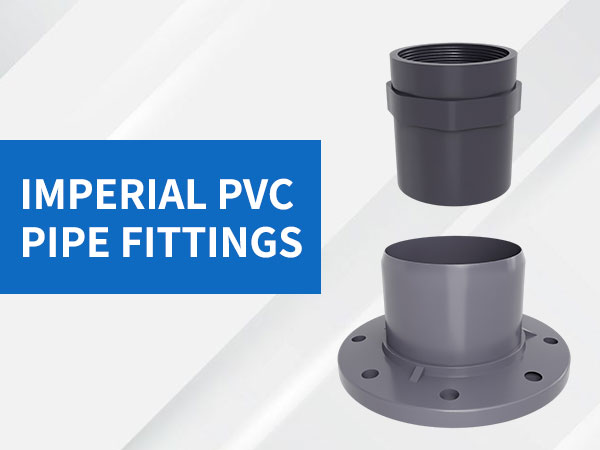
Flange connection
Threaded connection (smaller sizes)
How to connect pvc elbow?
Adhesive Connection
Adhesive connection (Solvent Cement Joint) is the most common and reliable method for connecting PVC elbows, suitable for water supply, drainage, and irrigation systems.
Required Tools and Materials
Prepare before installation:
PVC elbow
PVC pipe
PVC-specific adhesive (PVC Cement)
Cleaning agent or PVC cleaner (Primer)
Pipe cutter or saw
Sandpaper or chamfering tool
Dry cloth
Operating Steps
Step 1: Cut the PVC Pipe
Use a professional pipe cutter or fine-toothed saw to cut the PVC pipe.
Requirements:
The cut must be straight.
No tilting.
Uneven cuts will cause leaks.
Step 2: Remove Burrs and Chamfer
Use sandpaper or a chamfering tool to finish the pipe ends:
Purpose:
Remove burrs
Prevent damage to the elbow sealing surface
Easy insertion
The chamfer angle is generally around 15 degrees.
Step 3: Clean the Pipe and Elbow
Use a dry cloth or PVC cleaner to clean:
The outside of the pipe
The inside of the elbow
Ensure:
Free of dust
Free of oil
Free of moisture
This is a crucial step to ensure strong adhesion.
Step 4: Apply PVC Adhesive
First, apply adhesive evenly to the outside of the PVC pipe, then apply adhesive to the inside of the elbow.
Note:
The adhesive must be applied evenly.
Do not use too much or too little.
Connect immediately after applying adhesive.
Step 5: Insert the PVC Elbow
Quickly insert the PVC pipe into the elbow socket and rotate it approximately 1/4 turn.
This ensures:
Even distribution of the adhesive
Improved sealing
Hold for 10–30 seconds after insertion to prevent rebound.
Step Six: Wait for Curing
After installation, wait for the adhesive to fully cure.
Estimated time:
| Temperature | Minimum Waiting Time |
| Above 20°C | 15–30 minutes |
| 10–20°C | 30–60 minutes |
| Below 10°C | More than 1 hour |
Complete curing typically takes 24 hours.
Do not use under pressure before curing.
Rubber Ring Connection Method for PVC Elbows
This method is commonly used for:
Large-diameter PVC pipes
Municipal engineering
Drainage systems
Steps include:
Clean the pipe
Inspect the rubber ring
Apply lubricant
Insert the elbow
Advantages:
Quick installation
Removable
Good sealing
Flange connection for PVC elbows
Flange connections are commonly used in:
Industrial piping
Removable systems
Steps:
Install flange
Place gasket
Align bolt holes
Tighten bolts
Advantages: High strength
Easy maintenance
PVC Elbow Connection Precautions
1. Use the correct size
The PVC elbow and pipe must be the same size.
For example: A DN50 pipe must be connected to a DN50 elbow.
2. Use dedicated PVC adhesive
Ordinary adhesive cannot be used.
PVC solvent cement must be used.
3. Keep dry
The connection surfaces must be:
Free of water
Free of oil
Otherwise, adhesion will be affected.
4. Do not apply pressure immediately
You must wait for it to cure.
Otherwise, leaks may occur.
5. Avoid excessive force
Excessive force may damage the fittings.
Common Problems and Solutions
Problem 1: Leaking at the connection
Causes: Insufficient glue, surface not cleaned
Solution: Reinstall
Problem 2: Pipe cannot be inserted
Causes: Not chamfered, incorrect size
Solution: Re-process the pipe opening
Problem 3: Loose connection
Causes: Not fully inserted
Solution: Re-attach
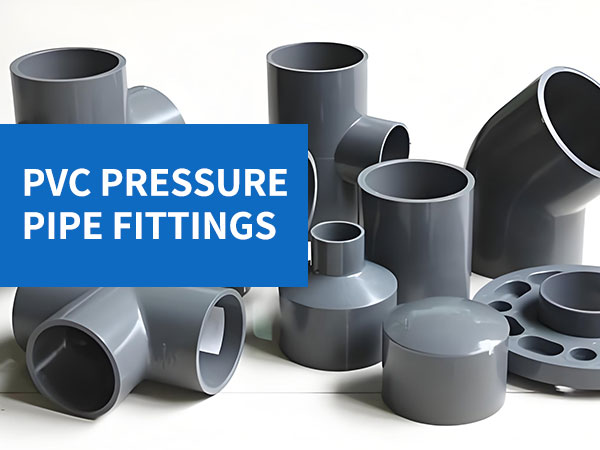
Application Areas:
Building Engineering: Water Supply Systems
Drainage Systems
Agriculture: Irrigation Systems
Industry: Chemical Piping
Electrical: Cable Protection Pipes
Municipal: Sewage Systems
Installation Advantages
Proper installation of PVC elbows offers the following advantages: Excellent sealing performance; Long service life; Simple installation; Low cost; Convenient maintenance; PVC piping systems can last for over 50 years.
PVC elbows are an indispensable and crucial component of PVC piping systems. Correct connection ensures the safe and reliable operation of the entire system.
The most common connection method is adhesive bonding, which is simple to install and provides excellent sealing performance.
Through correct installation procedures and standardized operations, the long-term stable operation of PVC pipelines can be ensured.
With the widespread application of PVC pipelines globally, mastering PVC elbow connection technology is crucial for construction and engineering personnel.


