

3 4 inch pvc fittings are indispensable connection elements in polyvinyl chloride pipe systems and are widely used in water supply and drainage, irrigation, chemical industry and other fields. This type of fittings has become the first choice for small and medium-sized pipe projects due to its corrosion resistance, light weight, easy installation and affordable price.
Basic characteristics
Size standard: 3/4 inch (about 20mm) is a common specification in PVC pipe systems
Material characteristics: Made of high-quality polyvinyl chloride material with good chemical stability
Pressure rating: Usually can withstand 150-300PSI working pressure
Temperature range: Suitable for working environment of 0-60℃
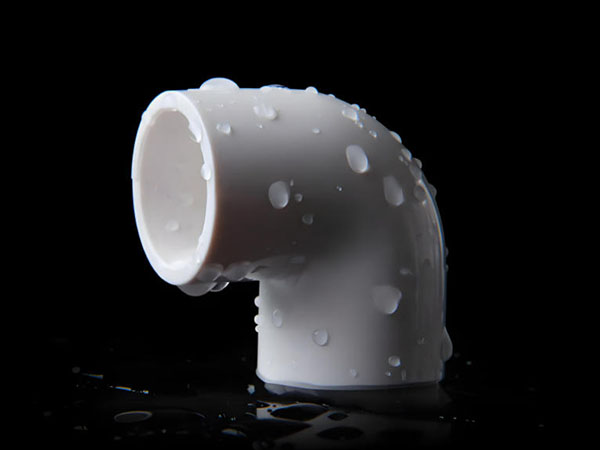
Common 3 4 inch PVC fittings types
Connection accessories
Straight connector (sleeve): used to connect two pipes of the same diameter in a straight line
Reducing connector: connects pipes of different diameters
Slip connector: a connector that is easy to disassemble and repair
Flange connector: used for flange connection with equipment or other pipeline systems
Switch accessories
90° elbow: changes the direction of the pipe by 90 degrees
45° elbow: achieves a 45-degree direction change
Tee: used for pipeline diversion, with equal diameter and reducing diameter
Cross: achieves multi-directional diversion
Special function accessories
Plug: closes the end of the pipe
Internal thread connector: connects to threaded pipe fittings
External thread connector: provides external thread connection
Valve interface: special valve connector
Purchase Guide
Quality Judgment Standard
Appearance Inspection: The surface should be smooth and flat, without defects such as bubbles and cracks
Dimensional Accuracy: Measure whether the inner diameter, outer diameter and wall thickness meet the standards
Material Certification: Check whether there is a national certification mark
Pressure Level: Select the appropriate pressure level according to the use requirements
Application Scenario Selection
Water Supply System: Non-toxic PVC-U accessories should be selected
Drainage System: Ordinary PVC accessories can meet the requirements
Chemical Use: Specially formulated products that are acid and alkali resistant need to be selected
Outdoor Use: Consider products with UV-resistant formulas

Installation precautions
Preparation
Pipe cutting: Use special cutting tools to ensure smooth cuts
Deburring: Remove burrs from the pipe cut before installation
Clean surface: Ensure that the connection is clean and free of impurities
Adhesive process
Choose special glue: PVC special adhesive works best
Evenly apply: Apply glue evenly at the interface between the pipe and the fittings
Quick installation: Complete the connection within 15 seconds after applying glue
Curing time: Keep it for 24 hours before pressure testing
Threaded connection
Sealing material: Use raw tape or thread sealant
Tightening force: Avoid excessive force that may cause cracking
Direction adjustment: Adjust the direction before fully tightening
Maintenance and care of 3/4-inch PVC accessories
Daily maintenance
Regular inspection: Check the connection for leakage once a quarter
Cleaning and maintenance: Wipe the surface with a neutral detergent
Antifreeze measures: Drain the pipes in winter in cold areas
Treatment of common problems
Leakage treatment: Small leaks can be temporarily treated with special repair glue
Accessory replacement: Damaged accessories should be replaced with products of the same specification in a timely manner
Blockage treatment: Use a special cleaning rod or high-pressure water gun to clean
Safety use specifications
Operational safety
Cut protection: Wear goggles when using power tools
Glue use: Operate in a ventilated environment to avoid inhaling fumes
Pressure test: Increase pressure gradually to avoid sudden pressurization
Use restrictions
Temperature restrictions: Avoid long-term use in high temperature environments
Chemical compatibility: Not suitable for delivery of certain organic solvents
Mechanical strength: Not suitable for heavy loads or high external pressures

DIY applications of 3 4 inch pvc fittings
Household uses
Garden irrigation: build a simple irrigation system
Aquarium filtration: make filtration system pipes
Creative home: used for storage racks, decorations
Small projects
Balcony drainage: solve the problem of water accumulation on the balcony
Small water features: make courtyard fountains
Workshop tools: used for vacuum cleaner pipes or compressed air systems
FAQ
Q1: Can 3/4-inch PVC fittings be used for hot water?
A: Standard PVC fittings are not recommended for hot water above 60°C. If you need to use them, you should choose special fittings made of CPVC.
Q2: How to distinguish high-quality and low-quality PVC fittings?
A: High-quality products have uniform color, consistent wall thickness, clear markings, and formal test reports; low-quality products have dark colors, uneven wall thickness, and may have pungent odors.
Q3: What should I do if the connection between PVC fittings and pipes is loose?
A: The pipes should be drained first, loose connections should be removed, and the surface should be cleaned before re-gluing and installation. If the fittings are damaged, they should be replaced with new ones.
Q4: Do PVC fittings used outdoors require special treatment?
A: Products with anti-ultraviolet formulas should be selected for long-term direct sunlight, or shielding measures should be taken to extend the service life.
Q5: Can PVC fittings be connected to metal pipe fittings?
A: Yes, you need to use threaded transition joints or flange connectors, and pay attention to the differences in thermal expansion coefficients of different materials.


