

In modern building and piping systems, PVC pipes and fittings are widely used in water supply, drainage, ventilation, and agricultural irrigation due to their excellent corrosion resistance, lightweight structure, and ease of installation. Among them, 1 1 4 pvc pipe fittings are one of the most frequently used specifications in small to medium-sized piping systems, combining practicality and economy. This article will detail the advantages of this type of fitting from the aspects of product characteristics, types, application scenarios, and installation advantages.

1 1 4 pvc pipe fittings Overview
1 1 4 pvc pipe fittings refer to connection components adapted to PVC pipes with an outer diameter of approximately 1.66 inches (approximately 42 mm). The material is polyvinyl chloride (PVC), a common thermoplastic. This specification of PVC pipe fitting is widely used in medium-flow fluid systems, such as domestic water supply, drainage, swimming pool systems, agricultural sprinkler irrigation, and industrial ventilation.
PVC pipe fittings are typically manufactured using injection molding, resulting in a smooth surface and precise joints, ensuring tight pipe connections and preventing leaks.
Main Types and Functions
Elbow: Used to change the direction of pipes; available in angles such as 90° and 45°, allowing for flexible adjustment of pipe routing.
Tee: Enables branch connections between main and branch pipes; a common type of fitting in branch pipelines.
Reducer: Used to connect pipes of different diameters; common sizes include 1 1/4 to 1 inch and 1 1/2 inch.
Coupling: Used to connect two sections of PVC pipe of the same size, extending the pipeline.
Cap & Plug: Used to seal pipe ends, preventing leaks or impurities from entering.
Flange: Used to connect to valves or metal equipment, facilitating disassembly and maintenance.
These fittings, when used with PVC pipes, can achieve a secure and sealed connection through solvent adhesive bonding or threaded connections.
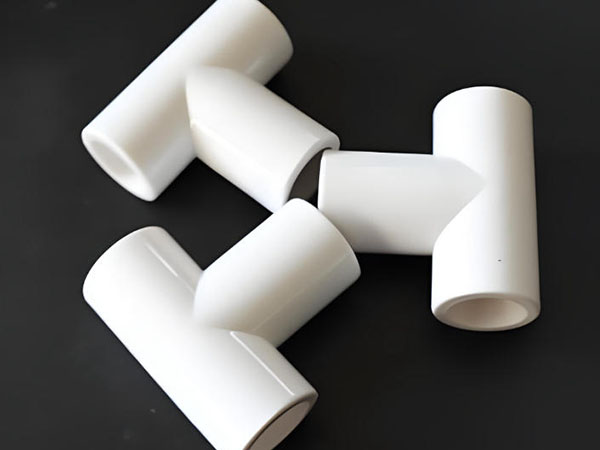
1 1 4 pvc pipe fittings Performance Characteristics
High Corrosion Resistance: PVC material resists corrosion from acids, alkalis, salts, and various chemicals, making it ideal for conveying chemical solutions or wastewater discharge systems.
Lightweight and High-Strength: Compared to metal fittings, PVC fittings are lighter, making transportation and installation easier, while maintaining sufficient mechanical strength to withstand daily water pressure and impact loads.
Easy Installation: 1 1 4 pvc pipe fittings are typically installed using adhesive bonding. A quick connection can be achieved simply by using PVC-specific glue, reducing construction time and labor costs.
Excellent Sealing Performance: Precise joint design, combined with bonding technology, creates a long-lasting seal, preventing leaks and air leaks.
Long Service Life: Under normal conditions, PVC fittings can last for over 50 years without rusting, scaling, or corrosion, resulting in extremely low maintenance costs.
Environmentally Friendly and Hygienic: PVC material does not contain heavy metals and will not affect the quality of the transported water, meeting the hygiene standards for drinking water systems.
Typical Application Areas
Residential and Commercial Building Water Supply Systems: Connects hot and cold water pipes to ensure stable water supply.
Drainage and Ventilation Systems: Used for sewage discharge, ventilation, and air circulation.
Agricultural Irrigation Systems: Used for branch pipe connections in sprinkler and drip irrigation equipment, allowing for flexible pipe layout adjustments.
Swimming Pools and Water Treatment Projects: Used in water circulation and filtration equipment, offering excellent corrosion resistance.
Industrial Fluid Transportation: Used for chemical liquid, cooling water, or wastewater discharge pipelines.
This size of fitting is particularly suitable for medium-flow pipelines, meeting both flow efficiency and ease of installation and maintenance.

Installation and Usage Recommendations
Clean Interfaces: Clean the pipe openings and the inner walls of the fittings before bonding to ensure they are free of oil and impurities.
Even Adhesive Application: Apply the special PVC adhesive evenly and quickly insert and position the fitting.
Curing: After bonding, allow the fitting to stand for at least 15 minutes before pressure testing.
Avoid High Temperatures and Direct Sunlight: Prolonged exposure to sunlight may cause aging; take sun protection measures.
Pressure Control: Use within the design pressure range; avoid overpressure operation.
PVC pipe fittings, with their excellent corrosion resistance, lightweight construction, and economy, occupy an important position in various fluid transport systems. Whether for residential drainage, industrial ventilation, or agricultural irrigation, this size of fitting provides a stable and reliable connection solution.


