

PVC (polyvinyl chloride) pipe fittings are widely used in modern water supply and drainage, agricultural irrigation, building piping, and industrial fluid transport systems due to their excellent chemical stability, corrosion resistance, and ease of installation. 3 inch PVC fittings, as a commonly used medium-sized product, offer excellent versatility and cost-effectiveness, making them suitable for connecting and extending a variety of piping systems and a crucial component in building efficient pipe networks.

Overview of 3-inch PVC fittings
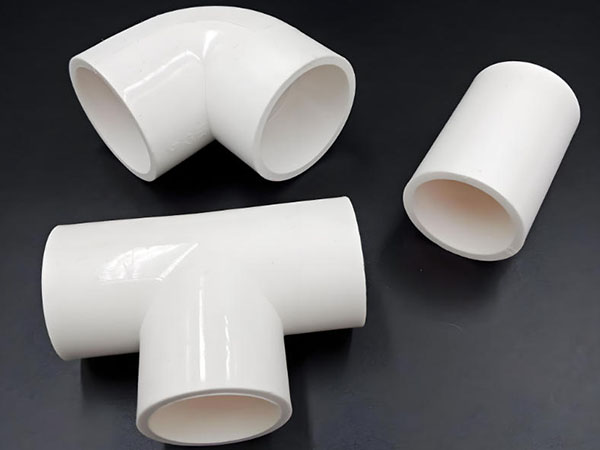
3 inch PVC fittings refer to various PVC connectors with a nominal diameter of 3 inches (approximately 90 mm). They are commonly used to connect 3-inch PVC pipes for branching, diverting, extending, and transitioning. These fittings come in a variety of types, including PVC elbows, tees, reducers, couplings, check valves, and flanges. Fittings of varying shapes and structures can meet the design requirements of diverse piping systems.
Materials and Performance
3-inch PVC fittings are made of high-quality polyvinyl chloride (PVC-U) and are plasticizer-free. They offer the following superior properties:
Corrosion Resistance: They offer long-term resistance to corrosion from a variety of chemical media, including acids, alkalis, and salts, making them suitable for chemical and sewage systems.
Sturdy Construction: The material’s high strength and toughness make them resistant to cracking and can withstand certain external pressures and impacts.
Weather Resistance: They can withstand long-term outdoor use without being affected by UV rays or humidity.
Sanitary Safety: The material is non-toxic and odorless, meeting drinking water transport standards.
Long Service Life: They offer a service life of over 50 years with low maintenance costs.

3 inch PVC Fitting Types
PVC Elbow: Used to change the direction of pipes. Common angles include 45° and 90°.
PVC Tee: Used to divert or merge flow, creating branched pipe structures.
PVC Reducer: Connects pipes of different diameters, facilitating transitions between piping systems. PVC coupling: Used to connect two pipes of the same diameter in a straight line.
PVC end cap: Used to seal the end of a pipe to prevent liquid or gas leakage.
PVC flange: Commonly used to connect equipment, valves, or other systems, facilitating disassembly and maintenance.
Installation and Connection Methods
3-inch PVC pipe fittings are typically connected using either solvent bonding or threading.
Solvent bonding uses a specialized PVC adhesive to securely bond the fitting to the pipe, providing a strong seal and suitable for fixed-mount systems.
Threaded connections are used in systems that require frequent disassembly or maintenance, facilitating replacement and repair.
During installation, the pipe ends should be kept flat and clean, the adhesive applied evenly, and stress should be avoided during the curing period to ensure a tight and stable connection.
Applications
Municipal water supply and drainage systems: Used for cold water distribution, sewage networks, and stormwater drainage.
Agricultural irrigation projects: Connect irrigation mains and branch pipes to ensure smooth water flow.
Industrial fluid transportation: Used for non-corrosive liquid pipelines in chemical plants, food processing plants, and electroplating industries.
Building piping systems: Used as connectors for internal drain and exhaust pipes in residential and commercial buildings.
Swimming pool and water treatment systems: Used in filtration, circulation, discharge, and return systems.
Product Advantages
High Sealing: Designed with high-precision pipe dimensions, it effectively prevents leaks.
Easy Installation: Lightweight and quick installation significantly reduces labor costs.
Economical and Durable: Affordable, easy maintenance, and low overall costs.
Compatible: Compatible with a variety of PVC pipe specifications, facilitating system expansion.
3-inch PVC fittings, with their superior physical properties, excellent chemical stability, and wide range of applications, are an ideal choice for plumbing projects. Whether in municipal infrastructure, agricultural irrigation, or industrial pipelines, they provide reliable connections and sealing.


