

In modern water supply and drainage systems and fluid transport systems, the choice of pipes and fittings directly impacts project quality and service life. With increasing safety and durability requirements for building water supply systems, fire protection systems, and industrial fluid transport, CPVC pipes and fittings are gradually gaining popularity. So, what are CPVC fittings? What are their unique advantages and applications?

What are CPVC fittings?
CPVC stands for Chlorinated Polyvinyl Chloride. It’s based on ordinary PVC (polyvinyl chloride) resin, modified by chlorination to stabilize its molecular structure, significantly improving its heat and corrosion resistance. CPVC fittings, such as elbows, tees, joints, flanges, and valves, are used to connect, redirect, divert, and control fluids.
Key Features of CPVC Pipe Fittings
Excellent Heat Resistance
CPVC pipe fittings can withstand water temperatures of up to 90°C or even higher for extended periods, far surpassing traditional PVC fittings. Therefore, they are particularly suitable for hot water piping systems, such as domestic hot water supply and hot water circulation in hotels and hospitals.
Excellent Corrosion Resistance
Compared to metal pipe fittings, CPVC pipe fittings are immune to rust and scaling, and are not susceptible to corrosion by acids, bases, or salts. This makes them an ideal choice for the chemical industry or for conveying corrosive fluids.
Excellent Safety and Hygiene
CPVC material itself is non-toxic and meets multiple international drinking water standards. When used in drinking water systems, it releases no harmful substances, ensuring pure water quality.
Easy Installation
CPVC pipe fittings are often solvent-bonded, making installation simple and quick. They eliminate the need for complex welding or mechanical connections, significantly reducing installation time.
Lightweight and High Strength
Compared to metal pipe fittings, CPVC pipe fittings are lighter, making them easier to transport and install. They also possess superior mechanical strength, capable of withstanding certain pressures and shocks.
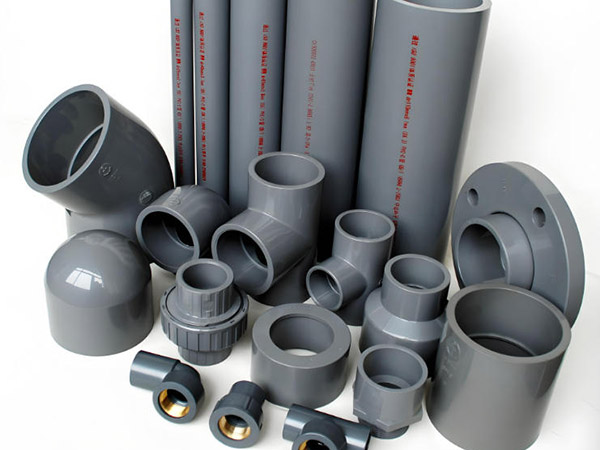
Common Types of CPVC Pipe Fittings
Elbows: Used to change the direction of a pipe, with common angles being 45° and 90°.
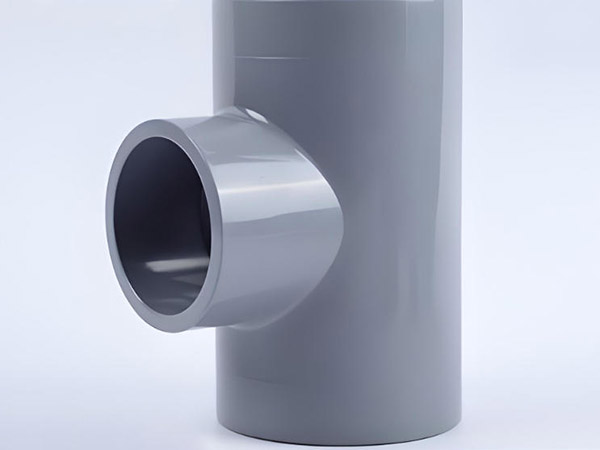
Tees: Used to divide a pipe into three directions, facilitating the routing of branch pipes.
Couplings/Unions: Used to connect two pipes in a straight line.
Flanges: Commonly used to connect metal pipes or equipment, facilitating disassembly and repair.
Reducers: Used to connect pipes of different diameters.
Valves: Such as ball valves and check valves, used to control the flow of water or media.
These fittings offer a comprehensive range of options to meet diverse needs, from domestic water supply to industrial transportation.
Applications of CPVC Pipe Fittings
Building Water Supply and Drainage Systems
CPVC pipe fittings are commonly used for hot and cold water piping in residential buildings, apartments, hotels, and office buildings, offering hygienic, safe, and durable features.
Fire Protection Systems
CPVC pipe fittings are widely used in fire sprinkler systems. Due to their high-temperature and corrosion resistance, they remain stable under fire conditions and meet multiple international fire protection certifications.
Industrial Piping Systems
Corrosive liquids are often transported in industries such as chemical, electronics, and electroplating. The chemical resistance of CPVC fittings provides a reliable solution for these applications.
Drinking Water Systems
Because they meet hygienic standards, CPVC pipe fittings can be used directly in drinking water distribution, avoiding the potential for secondary contamination associated with metal fittings.
Comparing the Advantages of CPVC Fittings
Compared to traditional metal fittings (such as copper and stainless steel), CPVC fittings are lighter and more economical. They also offer superior heat and pressure resistance compared to standard PVC fittings. Therefore, CPVC fittings are often considered a superior choice, offering a balance of performance, affordability, and safety.


