

With the rapid development of urban infrastructure and industrial drainage systems, the application demand for Sewer Fittings (Sewer Pipe Fittings) continues to increase worldwide. In 2025, HDPE (high-density polyethylene) and PVC (polyvinyl chloride) pipe fittings will become the preferred choice in drainage systems and sewerage projects due to their advantages such as corrosion resistance, high pressure strength and easy installation.

The application of HDPE pipe fittings in global sewer systems
HDPE pipe fittings are widely used in industrial and municipal drainage systems due to their excellent flexibility and chemical corrosion resistance. They can withstand ground subsidence and temperature changes, while featuring low permeability and a long service life. HDPE pipe fittings are typically used for:
Urban sewage collection network
Industrial wastewater discharge system
Rainwater drainage and rainwater utilization projects
Agricultural drainage and irrigation systems
HDPE pipe fittings can also be connected by hot-melt or electrofusion to ensure a firm interface and excellent sealing performance, reducing the risk of leakage.
The advantages of PVC pipe fittings in the global sewer system
PVC pipe fittings are also widely used in residential, commercial and municipal drainage systems due to their economy and ease of installation. Its corrosion resistance and wear resistance enable PVC pipe fittings to operate for a long time without frequent maintenance. The main applications include:
Urban drainage network renovation
Drainage systems for residential and commercial buildings
Discharge of industrial mild chemical wastewater
Rainwater pipes and rainwater collection systems
PVC pipe fittings can be connected by adhesive or mechanical means. They are quick to install and have low costs, making them an ideal choice for many projects.
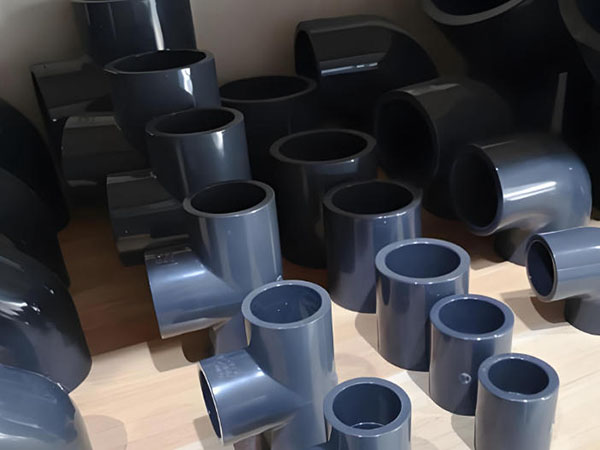
Comparison and Application Selection of HDPE and PVC Pipe Fittings
When choosing the material of pipe fittings, engineers need to comprehensively consider the specific working conditions of the project:
Chemical resistance: HDPE is superior to PVC and can resist strong acids, alkalis and industrial chemicals.
Mechanical strength: HDPE is flexible and can adapt to ground subsidence, while PVC has high hardness and is suitable for stabilizing underground pipe networks.
Installation convenience: PVC pipe fittings have a fast installation speed, while HDPE pipe fittings have better interface sealing performance.
Service life: Both have a long lifespan, but HDPE performs more stably under extreme working conditions.
Global market trends
By 2025, with the advancement of environmental protection regulations and urban infrastructure construction, the demand for HDPE and PVC sewer fittings will continue to rise. These two types of pipes are widely used in urban drainage renovation projects in Europe, America, Asia and the Middle East to enhance drainage efficiency, reduce maintenance costs and promote sustainable development.
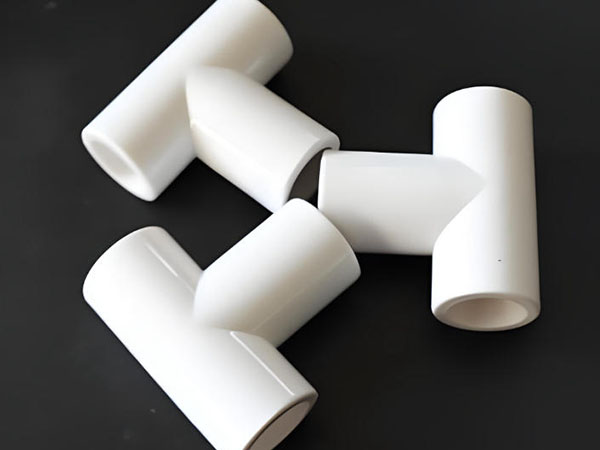
Junrui’s solution
Junrui specializes in the production of high-quality HDPE and PVC pipe fittings, providing sewer pipe fittings that comply with international standards such as ASTM, ISO, and EN. The company’s products cover a wide range of sizes and are applied in global drainage systems, industrial wastewater networks and rainwater utilization projects. They balance durability and environmental friendliness, helping customers achieve efficient and safe drainage system construction.
In the global sewer pipe fitting market by 2025, HDPE and PVC pipe fittings will become the main force in the industry due to their reliability and sustainability. Reasonable selection of pipe fitting materials, connection methods and pipe network layout can ensure the long-term safe operation of the drainage system and maximize the engineering benefits.
The development and application of Sewer Pipe Fittings will continue to support the modernization of urban and industrial drainage systems worldwide.


