

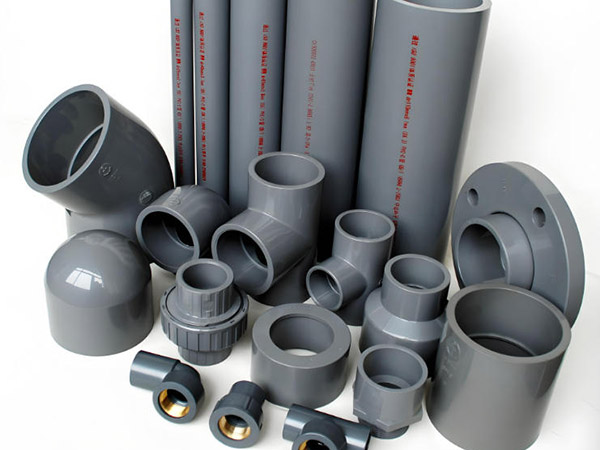
In plumbing installation, CPVC (chlorinated polyvinyl chloride) pipes and fittings are widely used in hot and cold water systems and industrial pipelines due to their heat resistance, corrosion resistance, and ease of installation. Bonding is one of the most common and reliable connection methods for CPVC pipe installation. Properly understanding how to glue CPVC fittings not only ensures the tightness and durability of your piping system, but also effectively extends its service life and prevents leaks or bursts. Below, we provide a detailed introduction to tool preparation, installation steps, and precautions.

How to glue CPVC fittings
Required Tools and Materials
Before you begin bonding CPVC fittings, you’ll need the following tools and materials:
CPVC pipe cutter or saw: Used to cut the pipe to the desired length.
Deburring tool or sandpaper: Used to remove burrs from the cut and ensure a smooth finish.
Clean cloth or paper towel: Used to wipe away dust and moisture.
CPVC cleaner/primer: Used to clean and soften the pipe surface to improve bonding. CPVC Solvent Cement: Used for final bonding of pipes and fittings.
Marking Pen: Used to mark the insertion depth.
Preparation Before Bonding
Cutting the Pipe: Cut the CPVC pipe to the required length, ensuring the cut is straight and free of slant.
Cleaning the Cut: Lightly sand the cut with a deburrer or sandpaper to ensure there are no burrs or sharp edges.
Test Fit: Before applying adhesive, insert the pipe into the fitting to ensure proper insertion depth and tightness. Typically, the insertion depth should reach at least two-thirds of the length of the fitting.
Marking the Depth: Mark the insertion depth on the outside of the pipe with a marker to facilitate alignment during subsequent operations.
Specific Bonding Steps
Cleaning and Priming
Use a CPVC-specific cleaner or primer to apply to the insertion end of the pipe and the inside of the fitting. This step removes surface dust and oil, softens the CPVC surface, and allows the solvent to penetrate more easily, thereby strengthening the bond.
Applying Adhesive
Immediately apply a thin, even application of CPVC-specific solvent-based adhesive to the insertion end of the pipe and the inside of the fitting. Be careful to apply a thin, even application to avoid over-application that could cause buildup or runny adhesive.
Quick Insertion and Rotation
After application, insert the pipe into the fitting within 30 seconds, rotating it 1/4 turn to ensure even distribution of the adhesive. After insertion, maintain alignment and hold firmly in place for several seconds to set.
Wiping Off Excess Adhesive
After connecting the fittings, immediately wipe away any excess adhesive with a clean cloth to maintain a clean and aesthetically pleasing joint.
Curing and Inspection
Initial Curing Time: The joints typically achieve initial firmness within 2-5 minutes.
Full Curing Time: Full curing typically takes 24 hours. Avoid applying pressure or using pipes during this time.
Checking for Leakage: After curing is complete, perform a water pressure test to ensure there are no leaks or looseness in the joints.
Precautions
Specialized Materials: Use CPVC-specific cleaners and adhesives. PVC or other solvent-based adhesives are not suitable for CPVC, as doing so will result in a weak bond or even failure.
Application Environment: Apply in a well-ventilated environment and avoid prolonged inhalation of solvent fumes.
Temperature Effects: Curing time may be prolonged in low-temperature environments; in high-temperature environments, the application speed should be increased.
Preventing Misalignment: After bonding, avoid shaking or twisting the pipe immediately to prevent misalignment or a weak bond.
Avoid Over-Application: Avoid excessive application of adhesive, as this may cause the joint to soften excessively and affect strength.
Gluing CPVC fittings is a simple yet meticulous process. The correct application steps include: cutting, cleaning, priming, applying adhesive, quickly inserting and securing, and checking the cure. Strictly following the procedures will result in a secure, reliable, and leak-free CPVC piping system.


