

In water supply and drainage systems, PVC pipe fittings, though small in size, play a crucial role in connection, redirection, diversion, and sealing. Especially in drinking water systems, the safety of these fittings directly impacts water quality and the long-term stable operation of the system. Therefore, an increasing number of engineering projects and international buyers are paying attention to an important standard – NSF certification.
So, what are NSF Certified PVC Pipe Fittings? Why are they widely recognized in the global water supply and drainage market? This article will systematically analyze this from the perspectives of certification meaning, technical requirements, application scenarios, and market value.

What is NSF Certification?
NSF (National Sanitation Foundation) is one of the world’s most authoritative public health and safety certification organizations. NSF certification is widely used for:
Drinking water piping systems
Food contact materials
Sanitary ware and chemical products
For PVC pipe fittings, NSF certification primarily focuses on the following core indicators:
Material Safety: The fitting will not release harmful substances under prolonged contact with drinking water.
Water Quality Impact Assessment: It will not adversely affect the odor, color, or taste of the water.
Structural and Performance Stability: It will not deform or fail under rated pressure and temperature for extended periods.

NSF Certification Core Standards for PVC Pipe Fittings
Currently, common NSF-related certifications for PVC pipe fittings include:
1. NSF/ANSI 61 (Drinking Water System Components)
This is the most important certification standard for drinking water piping systems, primarily applicable to:
Cold water supply systems
Municipal water supply networks
Building internal water supply systems
Passing NSF/ANSI 61 certification means that the PVC pipe fittings meet drinking water safety requirements in terms of material formulation, manufacturing process, and finished product performance.
2. NSF/ANSI 14 (Pipeline System Quality Standard)
This standard focuses more on product structure and manufacturing quality, covering:
Dimensional accuracy
Pressure resistance
Matching fit
Batch consistency
PVC pipe fittings that pass both NSF 61 and NSF 14 are generally considered high-grade water supply pipe fitting products.
Core Advantages of NSF Certified PVC Pipe Fittings:
1. Guaranteed Drinking Water Safety
NSF certification ensures that PVC pipe fittings, during long-term use:
Do not leach heavy metals
Do not release toxic chemicals
Do not pollute drinking water sources.
This is especially important for residential water supply, schools, hospitals, and other similar locations.
2. Compliance with International Regulations and Project Requirements
NSF certification is practically a prerequisite for entry into the following markets and projects:
The United States and Canada
High-end construction projects in the Middle East
International aid water supply projects
Having NSF certification significantly enhances the competitiveness of PVC pipe fittings in the international market.
3. Long-Term Stable Physical Properties
NSF certification not only focuses on safety but also emphasizes:
Reliable joint sealing
Stable pressure resistance
Strong anti-aging properties.
This translates to lower maintenance frequency and longer service life.
4. Enhanced Brand and Project Trust
For project owners and end-users, the NSF mark is an endorsement of trust, effectively reducing quality risks and potential disputes later on.

Application Scenarios
1. Building Drinking Water Systems
Residential Cold Water Supply
Commercial Building Water Supply Networks
Apartment and Hotel Water Supply Systems
2. Municipal Water Supply Projects
Urban Water Supply Main Pipes
Community Water Distribution Systems
Secondary Water Supply Renovation Projects
3. Industrial and Public Facilities
Food Processing Plants
Hospitals and Schools
Laboratory Water Supply Systems
In these locations, water quality safety requirements are extremely high, making NSF-certified PVC pipe fittings the preferred choice.
Differences between NSF Certified PVC Pipe Fittings and Ordinary PVC Pipe Fittings
| Comparison Item | NSF-Certified PVC Fittings | Regular PVC Fittings |
| Material Safety | Meets drinking water standards | Standards not uniform |
| Water Quality Impact | No odor, no contamination | Potential risk |
| Quality Control | Strict batch testing | Manufacturer self-inspection |
| Suitability for International Projects | High | Limited |
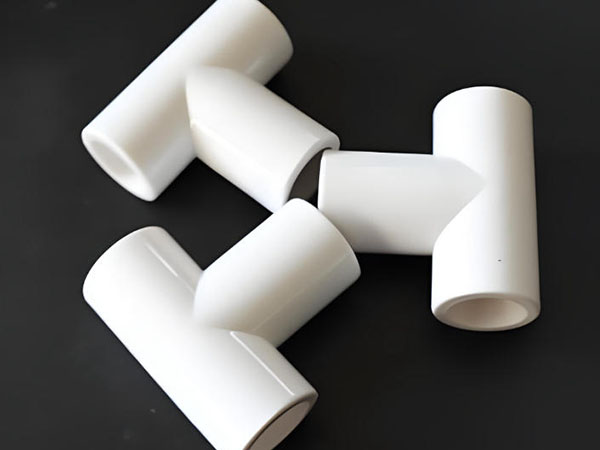
Why do international buyers prefer NSF-certified pipe fittings?
From a procurement perspective, the value of NSF certification includes:
Reduced project compliance risks
Simplified approval and acceptance processes
Improved overall system reliability
Enhanced end-user trust.
For export-oriented companies, NSF certification is often a key to unlocking high-end markets.
With drinking water safety receiving increasing attention, NSF Certified PVC Pipe Fittings are no longer just a “bonus,” but a fundamental component of high-standard water supply and drainage systems.
Whether in building construction, municipal water supply, or international project procurement, choosing NSF-certified PVC pipe fittings guarantees water quality safety, system stability, and long-term value.
If your project targets the international market or involves high-standard engineering applications, NSF-certified PVC pipe fittings are undoubtedly a solution worth prioritizing.


